Growing hemp and cannabis plants is a fascinating and rewarding activity, but one that also comes with its challenges. Diseases and pests are common problems that can affect both beginners and experienced gardeners alike. These threats can significantly weaken your cannabis plants, reduce yields, and diminish the quality of your harvest. Various factors such as poor air circulation, high humidity, and unclean growing conditions create ideal environments for pests like spider mites, aphids, thrips, and whiteflies, as well as for diseases such as powdery mildew and mold.
It is important to understand why your cannabis or marijuana plant is susceptible to these problems and what measures can be taken to protect them. In this article, we will highlight the most common problems with cannabis plants and show you how to effectively combat pests and diseases using both natural and chemical means. Furthermore, you will learn which preventive measures and care techniques help to strengthen the health of your hemp and cannabis plants and ensure a successful harvest.
The Most Common Diseases in Cannabis Plants
Powdery Mildew on Cannabis

Symptoms: White, powdery coating on the leaves.
Combating powdery mildew (Natural): Neem oil, milk-water mixture (1:9), baking soda spray solution (1 teaspoon per 1L of water), garlic extract.
Combating powdery mildew (Chemical): Fungicides such as sulfur or potassium bicarbonate solutions.
Prevention: Good air circulation, avoidance of overwatering and over-fertilizing with nitrogen, constant temperatures, removal of old plant debris, sufficient space between plants, watering plants in the morning rather than in the evening.
Downy Mildew on Cannabis
Symptoms: Yellowish to brown spots on the top of the leaves, gray to violet mold on the underside.
Combating downy mildew (Natural): Neem oil, garlic infusion.
Combating downy mildew (Chemical): Fungicides specifically approved for downy mildew.
Prevention: Improve drainage, water directly at the roots to keep leaves dry, crop rotation, choose resistant or tolerant strains, removal of infested plant parts.
Cannabis and Gray Mold / Bud Rot (Botrytis)

Symptoms: Gray, mold-like coatings that cause flowers and leaves to rot.
Combating gray mold (Natural): Bacillus subtilis (beneficial bacteria), compost tea.
Combating gray mold (Chemical): Fungicides such as fenhexamid or iprodione.
Prevention:
Sufficient air circulation: Good ventilation in the grow room is crucial. Fans should be positioned so that air flows evenly through the plants.
Low humidity: Relative humidity should be kept as low as possible, especially during the flowering phase, to prevent mold growth.
Sufficient space between plants: Adequate spacing between plants improves air circulation and reduces the likelihood of mold.
Thorough cleanliness: Regular cleaning of the growing area to remove fungal spores and other pathogens.
Careful inspection: Regular monitoring of plants for signs of mold in order to intervene early.
By combining these measures, the risk of mold in the flowers can be significantly reduced, leading to a healthier and higher-yielding harvest.
The Most Common Pests in Cannabis Plants
Spider Mites on Cannabis Plants

Symptoms: Small yellow/white dots on the leaves, fine spider webs, and insects on the undersides of the leaves.
Combating spider mites (Natural): Predatory mites (Phytoseiulus persimilis), neem oil, insecticidal soaps.
Combating spider mites (Chemical): Acaricides such as abamectin.
Prevention: Regular inspection of plants, increasing humidity, lowering temperature.
Consumption risks: If cannabis contaminated with spider mites or their residues is consumed, the webs and fecal particles can be inhaled, which may lead to respiratory irritation and allergic reactions.
Cannabis Plants and Aphids

Symptoms: Curled leaves, sticky honeydew on the leaves.
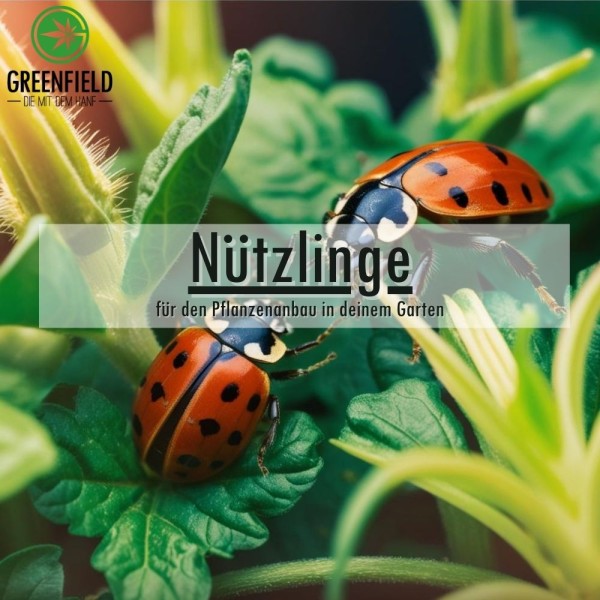
Combating aphids (Natural): Ladybugs, neem oil, garlic spray.
Combating aphids (Chemical): Insecticides such as pyrethrins.
Prevention: Regular inspection, encouraging beneficial insects.
Consumption risks: The honeydew and aphid excrement can lead to unpleasant taste and smoking experiences when consuming cannabis. There is also the possibility of slight bacterial contamination.
Thrips on Cannabis Plants

Symptoms: Silvery-shiny spots on the leaves, stunted leaf development, eaten flowers.
Combating thrips (Natural): Predatory mites (Amblyseius cucumeris), neem oil, garlic spray.
Combating thrips (Chemical): Insecticides such as spinosad or pyrethrins.
Prevention: Blue sticky traps, regular inspections, climate control.
Consumption risks: Thrips excrement and residues can cause allergic reactions and irritation when consumed. In cases of severe infestation, plant viruses could also be transmitted to the cannabis.
Cannabis and Fungus Gnats

Symptoms: Small black flies near the soil, larvae that eat the roots.
Combating fungus gnats (Natural): Yellow sticky traps, Bacillus thuringiensis israelensis (BTI), nematodes (Steinernema feltiae), predatory mites.
Combating fungus gnats (Chemical): Insecticides such as azadirachtin.
Prevention: Watering management, use of sandy soil on the surface of the pots, nematodes, avoidance of overwatering.
Consumption risks: Although adult fungus gnats themselves are not directly dangerous when consumed, contaminated plants can contain mold spores that may be harmful to health, especially for individuals with weakened immune systems.
Fungus gnats are annoying insects that can spread in your home, even if they were not necessarily introduced with purchased plants. It is often suspected that they are transmitted through unclean conditions at the garden center or from the plant seller. However, there are several ways fungus gnats can find their way to you.
The Most Common Causes of a Fungus Gnat Infestation:
Soil that is too moist
Purchased soil (Potting soil may already contain fungus gnat eggs or larvae, which can develop under favorable conditions.)
Other infested plants (There might already be fungus gnats in your home.)
Ventilating the apartment (Fungus gnats can get into your home through open windows and doors, especially in summer.)
Organic material (Decaying plant debris or unsuitable compost can attract fungus gnats and serve as a food source.)
Whitefly

Symptoms: Small white flies that fly up when touched, yellow spots on the leaves.
Natural solutions: Yellow sticky traps, predatory bugs (Macrolophus pygmaeus), neem oil.
Chemical solutions: Insecticides such as imidacloprid or pyrethrins.
Prevention: Use of insect nets, regular inspection of plants.
Consumption risks: Consuming cannabis contaminated with whiteflies can lead to problems similar to those with aphids, including poor taste and potential allergic reactions.
Risks of Consuming Cannabis Infested with Pests
Consuming cannabis infested with pests can lead to respiratory irritation, allergic reactions, and in some cases infections, especially if the pests carry bacteria or fungal spores.
Risks of Using Chemical Agents to Combat Pests in Cannabis Plants
Pyrethrins: Natural insecticide, works quickly against aphids, thrips, and whiteflies. Residues can cause allergic reactions and respiratory problems.
Neem oil (azadirachtin): Biological insecticide and fungicide, effective against spider mites, aphids, thrips, and whiteflies. Safe, but can leave a bitter taste.
Abamectin: Acaricide and insecticide, very effective against spider mites. Residues can cause neurological and gastrointestinal symptoms.
Spinosad: Biological insecticide, effective against thrips, fungus gnats, and aphids. Safe, but can trigger allergic reactions.
Imidacloprid: Systemic insecticide, effective against whiteflies and aphids. Residues can cause neurological and cardiovascular symptoms.
Consumption Risks
Health risks: Chemical residues can cause neurological, gastrointestinal, and respiratory complaints.
Allergic reactions: Some insecticides can cause skin irritation and respiratory distress.
Loss of taste and aroma: Residues can negatively impact the taste and aroma of the cannabis.
Regulatory risks: Improper use of chemicals can have legal consequences and impair marketability.
Recommendations for Safe Application
Follow instructions: Use chemical agents according to manufacturer instructions and pay attention to dosage and waiting periods.
Adhere to waiting periods: Ensure that enough time passes between the last application and harvest.
Safety equipment: Wear protective gear such as gloves and respirators.
Combine with natural methods: Use chemical agents in combination with natural control methods to minimize chemical use.
Through conscious application, chemical agents can be used effectively against pests while minimizing consumption risks. We still recommend trying natural methods first before using chemical alternatives.
How to get healthier and stronger hemp plants
1. Fertilization
Organic fertilizers: Compost, worm castings, seaweed extracts.
Mineral fertilizers: Specially formulated nutrient blends for cannabis with a balanced N-P-K (nitrogen-phosphorus-potassium) ratio.
Preventing deficiencies: Regular soil analyses to accurately determine nutrient requirements.
2. Soil and substrate
Soil quality: Use of well-aerated, nutrient-rich soil or substrate. Coconut coir and perlite can improve aeration.
Mycorrhizal fungi: These symbiotic fungi improve nutrient uptake and strengthen the root system.
3. General care
Light: Sufficient light supply, whether through sunlight or artificial lighting, to promote growth.
Irrigation: Consistent and demand-based watering, avoiding waterlogging.
Air circulation: Use of fans to improve air circulation and prevent mold formation.
Preventive measures
Regular inspections: Early detection of pest infestations helps to avoid major problems.
Air circulation and humidity control: These measures prevent the establishment of pests and the spread of diseases.
Clean growing conditions: A clean growing environment reduces the likelihood of pest infestation.
Through a combination of preventive measures, natural and, if necessary, chemical solutions, cannabis plants can be kept healthy and free of pests. This ensures not only the quality of the harvest, but also the safety of consumption.
Conclusion
The care of cannabis plants requires attention and knowledge about potential diseases and pests as well as preventive measures to maintain the health of the plants. Through the use of natural and chemical agents, correct fertilization, and care, one can optimally support the plants and ensure a rich harvest. Regular checks and good cultivation practices are the key to success.