For many, growing hemp plants is an exciting and rewarding experience, but for beginners, it can be challenging to know where to start. In this article, we would like to provide a comprehensive guide for beginners who have just received their first hemp plants. From proper handling upon receipt to further care instructions and tips for preventing problems, we will guide you through the process step by step. Furthermore, we also offer an overview of the products in our webshop that can help you with the care of your plants. Let's dive into the fascinating world of hemp cultivation together!
Contents
1. Receiving the package and reporting damage
2. Opening the package
3. Removing the plants
4. Planting and watering
5. Environment & site selection
6. Tracking growth and the time thereafter
Receiving the package & reporting damage
Start by checking your package for external damage. Look for tears, dents, or other signs of damage. If the package looks damaged, it is important to take photos of it before opening it. These photos can be helpful for filing a claim with the shipping service provider. Please send us photos of any damaged packaging.
Opening the package (consideration of the transport route)
Please note that plants are generally not intended for shipping and can therefore occasionally look a bit "sad" after transport. This means that they may appear limp or some leaves may be slightly wilted. This is a normal reaction to the transport route and should return to normal over time once the plants become accustomed to their new environment. Be careful when opening the package so as not to damage the plants. Use scissors or a knife to open the packaging and take care to handle the plants gently when removing them to avoid injuring their delicate leaves and stems. The hemp plants may need a few days to recover from the effects of transport and to adjust, so be patient and give them a few days to regenerate. If you still feel that your plants did not survive the transport, please feel free to contact us!
Email: office@greenfield.co.at
Removing the plants
After you have opened the package, carefully remove the hemp plants from the packaging, holding the plants by the base to avoid damaging the leaves or the stem. It is important that you handle the plants gently to avoid injuring their delicate leaves and stems.
It should be mentioned that hemp plants are quite resilient and can often recover from minor injuries. Bent leaves or slightly damaged stems are usually no cause for concern, as the plants are generally able to recover as long as the stem is not too severely damaged.
In most cases, the plants will continue to grow and thrive afterward.
Planting and watering
After you have inspected the plants, they should first be planted in pots with soil. If no special grow soil is available, peat-based soil or tomato soil is suitable for starting. Make sure the pots are large enough to provide space for the roots to grow. Fill the pot about halfway with soil, carefully place the plant in the pot, and fill the remaining space with soil to hold it in place. Press the soil down lightly to ensure the plant is stable. Of course, you can also plant your plants directly in your garden. To do this, make a small hole in the ground, fill it with some loose soil, put your plant in, and that's it. After planting, the plants should be watered carefully and evenly until the soil is moist.
Environment and optimal site selection
Choose a location with sufficient sunlight, ideally at least six or more hours of direct sunlight per day. A suitable location outdoors or in a well-lit room indoors can be ideal to promote the growth and development of the plants. Make sure that the plants are not directly exposed to full sun, especially if they have just arrived and are still getting used to their new environment. Direct sunlight can lead to burns, especially for plants that have just arrived and may still be more sensitive. If you want to grow the hemp plants outdoors, choose a location with well-draining soil and good ventilation. Check the soil for its drainage properties to avoid waterlogging, which can lead to root rot. (Drainage property: Ability of the soil to drain excess water quickly and thus avoid waterlogging.) If you are growing the plants indoors, choose a location with sufficient airflow to promote air circulation and reduce the likelihood of mold or pest problems. Remember that the hemp plants need time to adjust to their new environment. It may take a few days for them to fully acclimate and reach their full growth potential. Be patient and observe the plants to ensure they are developing well and showing no signs of stress or disease.
Tracking growth & the time thereafter
After planting, it is important to regularly attend to the needs of your hemp plants. The frequency of watering depends on various factors such as the type of soil, the climate, and the size of the plants. In general, it is advisable to water the plants when the top layer of soil is dry, but to avoid waterlogging. Repotting should take place when the roots fill the available space in the pot, which is best identified when the roots can be seen through the small holes on the bottom of the pots. When repotting, it is important to use a larger pot with fresh soil to provide the plants with more room to grow, as the roots are essential for the growth of your plant.
Regarding fertilizer, there are various options, including organic and mineral fertilizers. It is advisable to choose a fertilizer with a balanced nutrient content (N-P-K) and follow the manufacturer's instructions. Alternatively, household remedies such as compost or coffee grounds can be used as natural fertilizer. Please note that the latter will usually only work for small hemp plants, as hemp can generally tolerate large amounts of fertilizer.
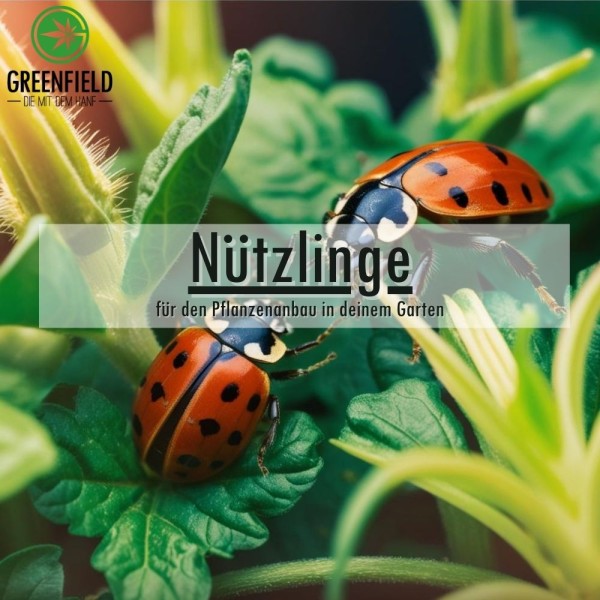
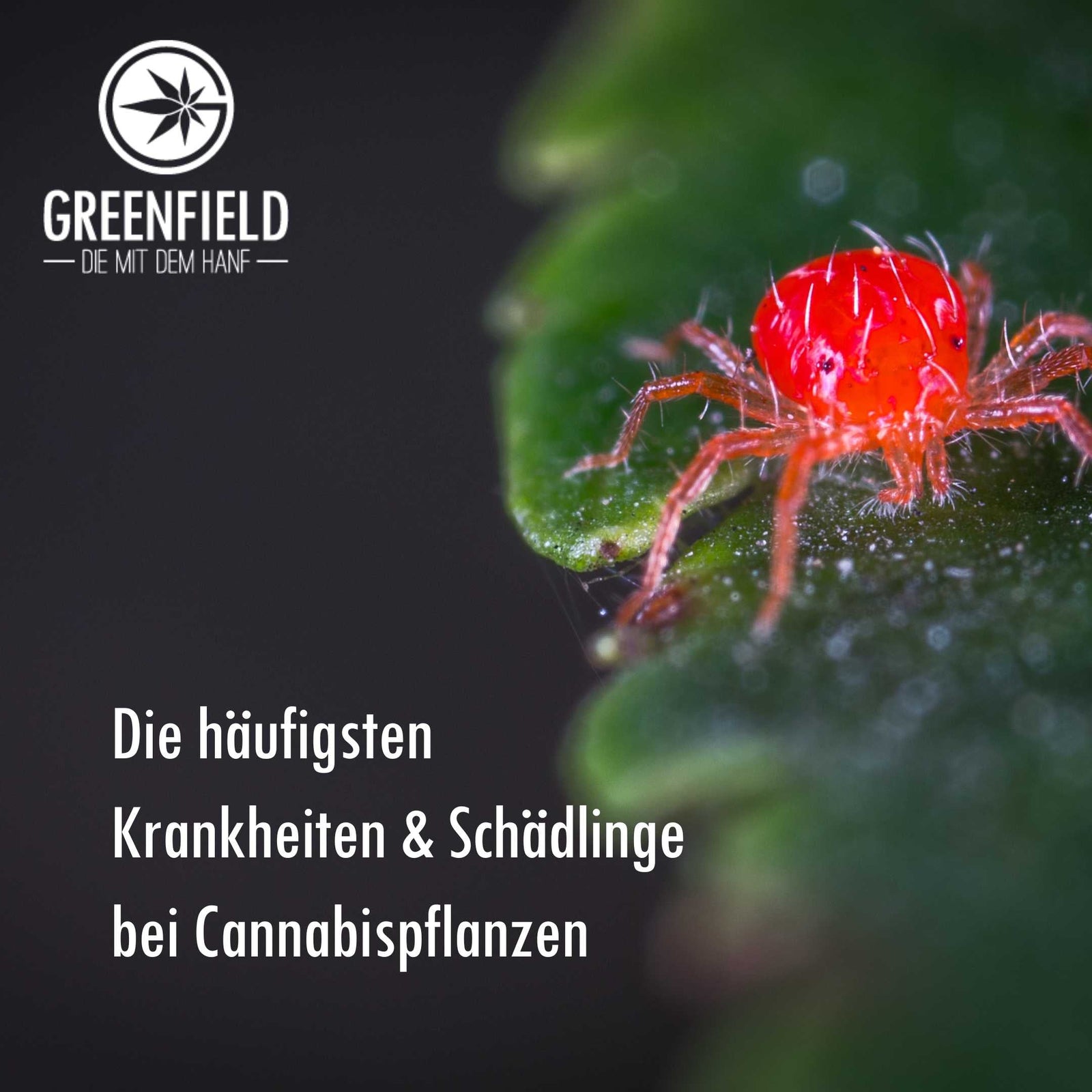
To prevent pests and diseases, it is important to inspect the plants regularly and take action if necessary. This can include removing dead leaves, introducing natural enemies such as ladybugs, predatory mites, nematodes, or spraying homemade pesticides based on vegetable oils. Through careful care and regular attention, you can help your hemp plants stay healthy and strong.
| Continue to Part 2 |
Further questions
Should any questions or problems arise during the process, do not hesitate to look for help. There are many resources online and in communities that can help you with the care of your hemp plants.
In addition to these care instructions, we offer a variety of high-quality fertilizers in our webshop that were developed specifically for hemp cultivation. These fertilizers are carefully formulated to meet the needs of your plants and promote optimal growth. Furthermore, you will also find a selection of books that describe hemp cultivation in detail and delve deeper into the subject matter than this article can allow. These books offer comprehensive information on topics such as cultivation and harvest times, pest control, strain selection, history, effects, and much more. So if you want to dive deeper into the world of hemp cultivation, visit our webshop and discover our extensive range of fertilizers and books.